When to Install New Gutters vs. Replace Existing Ones on Your Home
When considering when to install new gutters vs. replace existing ones on your home, local contractors can assess your needs and provide expert installation services.
Homeowners often find themselves evaluating whether to install new gutters or replace existing ones, especially when facing issues like leaks, sagging, or visible damage. Understanding the right timing for each option can help protect a property from water-related problems and preserve its value. Property owners in the area may explore this topic to make informed decisions about maintaining their home's exterior, ensuring proper drainage, and avoiding costly repairs down the line. Continuing to read can provide practical insights into assessing gutter conditions and knowing when professional installation services might be the next step.
Deciding between installing new gutters and replacing existing ones depends on factors such as the overall condition of current systems and the extent of damage or wear. Local contractors can evaluate these aspects and recommend the most effective solution for each home. Whether a complete replacement or a new installation is needed, connecting with experienced service providers can ensure the job is done correctly and efficiently. Learning more about these options helps property owners make choices that best suit their home's needs and long-term performance.
- When to install new gutters - homeowners considering new gutter installation often do so when existing gutters are outdated, damaged, or no longer functioning properly, and local contractors can assess the best options for replacement.
- Replacing existing gutters - local service providers are typically called upon when gutters are severely corroded, sagging, or have extensive leaks that cannot be repaired effectively.
- When to install new gutters - new gutter installation is recommended if the current system is incompatible with recent home improvements or if the property’s design requires updated features, with local pros providing expert guidance.
- Replacing existing gutters - service providers often handle replacements when gutters have reached the end of their lifespan or have sustained damage from storms, ensuring proper drainage is restored.
- When to install new gutters - homeowners may opt for new gutter services when upgrading to a different style or material, with local contractors helping select and install the right system for their home.
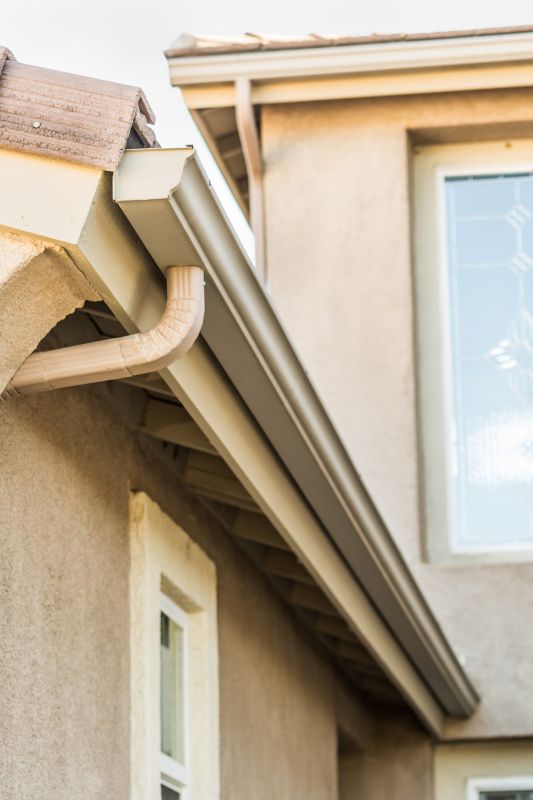
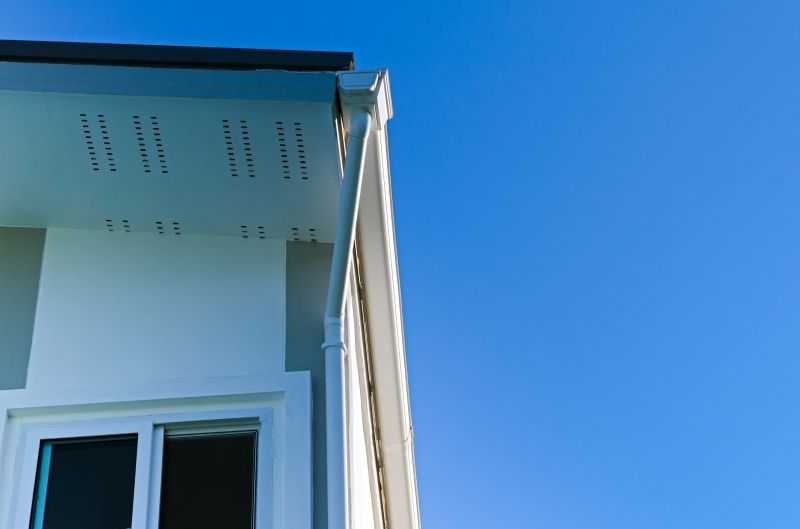
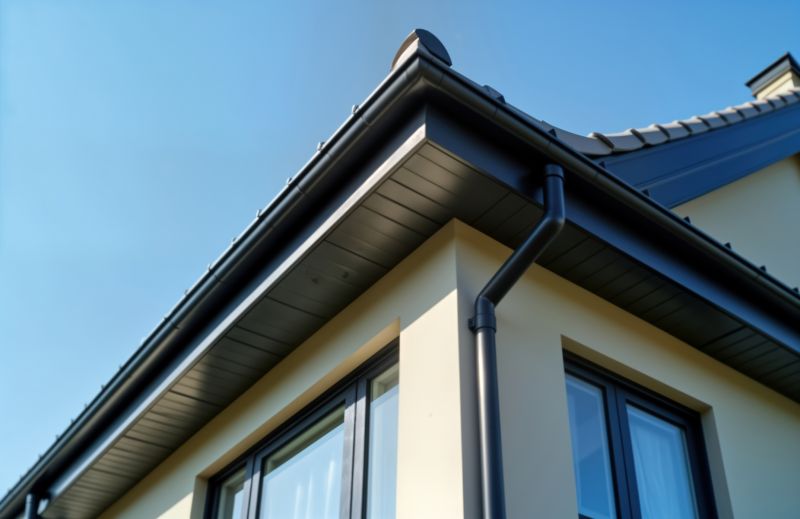
When homeowners search for when to install new gutters vs. replace existing ones on their home, they are often trying to determine the most practical solution for ongoing or emerging issues with their current gutter system. This question typically arises during home improvement projects, especially when dealing with water management problems such as overflowing gutters, leaks, or sagging sections. Many property owners want to understand whether a simple repair or cleaning will suffice or if a full replacement is necessary to ensure their home remains protected from water damage. The decision is closely linked to the condition of existing gutters, the age of the system, and the specific problems encountered, making it a common consideration for those planning upgrades or addressing maintenance concerns.
This topic is relevant to a variety of property types, including single-family homes, multi-family residences, and even commercial buildings. Homes with older gutter systems often face issues like rust, cracking, or separation from the fascia, which can lead to water infiltration and damage. Newer homes, on the other hand, may require gutter replacement if the existing system was poorly installed or has become outdated due to changes in roofing or landscaping. Property owners with ongoing drainage problems or those planning to improve their home's exterior often explore whether installing new gutters or replacing the current system is the most effective approach. Local service providers who specialize in gutter installation and replacement can assess the specific needs of each property and recommend the best course of action.
Understanding when to install new gutters versus replacing existing ones involves evaluating the condition and functionality of the current system. If gutters are severely rusted, bent, or have extensive sections that are missing or detached, replacement is usually the most practical solution. Conversely, if the gutters are relatively intact but show signs of minor damage or clogging, a repair or cleaning might be enough to restore performance. Homeowners should also consider the age of their gutters; systems over 20 years old often benefit from replacement because older materials tend to deteriorate and may no longer provide reliable water management. Local contractors can inspect the gutters to identify issues like sagging, leaks, or improper slope, helping homeowners make informed decisions about whether to install new gutters or replace what’s there.
Choosing between installing new gutters and replacing existing ones depends on a combination of the current system’s condition, the property's needs, and future plans for the home. For instance, if a home is undergoing a roof replacement or exterior renovation, it might be advantageous to install new gutters to match the updated aesthetic and performance standards. On the other hand, if the existing gutters are structurally sound but simply outdated or inefficient, replacing sections or upgrading to a modern material can be a cost-effective solution. Local service providers play a key role in evaluating these factors, providing expert guidance to help homeowners determine the most practical approach for their specific property and ensuring the new gutter system will meet their needs for years to come.
Gutter repair services - professionals who specialize in fixing damaged or leaking gutters can help determine whether repair is sufficient or if replacement is necessary based on the condition of existing gutters.
Home exterior renovation projects - contractors experienced in siding, roofing, and fascia work often handle gutter replacements and can advise on the best timing for new installations versus repairs.
Roofing services - since roof work often involves gutter assessments, local contractors can evaluate whether existing gutters need replacing during roof repairs or replacements.
Downspout installation projects - installing or upgrading downspouts requires knowledge of gutter systems, making these projects related to understanding when to replace or install new gutters.
Cladding and fascia replacement - these exterior updates often involve gutter adjustments, and professionals can help determine the right approach for your gutter system’s age and condition.
Water drainage system upgrades - projects aimed at improving home drainage can include gutter replacements, requiring planning on when to install new gutters versus repairing existing ones.
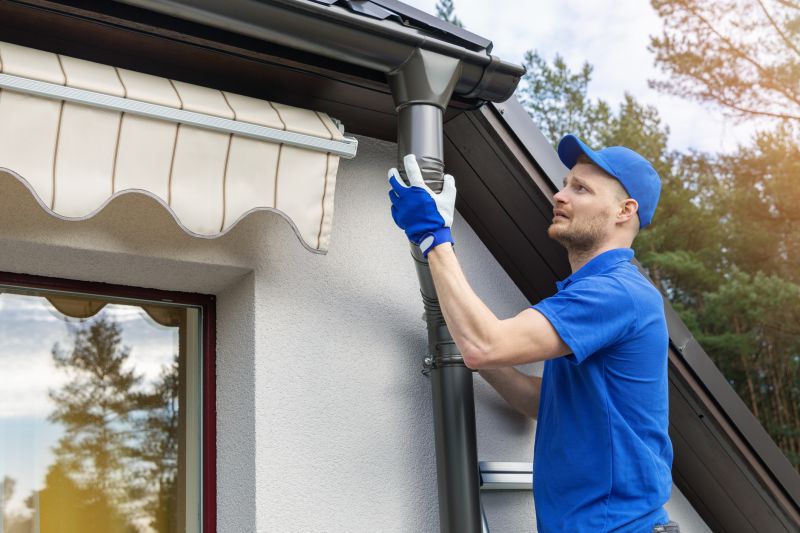
When evaluating local contractors for new gutters installation services, it is important to consider their experience with similar projects. Homeowners should inquire about how many times the service providers have handled installations or replacements in situations comparable to their own. A contractor with a proven track record in managing projects similar in scope and complexity can offer insights into what to expect and ensure the work is performed efficiently. Clear written expectations regarding the scope of work, materials used, and project timelines help prevent misunderstandings and ensure that both parties are aligned on the desired outcomes.
Reputable references are a valuable resource when comparing local service providers. Homeowners are encouraged to seek out reviews or ask for contact information of previous clients who have had similar gutter projects completed. This feedback can shed light on the contractor’s reliability, quality of work, and professionalism. Additionally, verifying that the service provider has a history of completing projects on time and within budget can provide peace of mind. Good communication throughout the process is equally important; contractors who are transparent, responsive, and willing to answer questions contribute to a smoother experience when deciding whether to install new gutters or replace existing ones.
Ultimately, effective comparison among local contractors involves assessing their ability to clearly communicate expectations and demonstrate experience with comparable projects. Homeowners should look for service providers who can articulate their approach, explain the differences between installing new gutters versus replacing old ones, and offer insights tailored to the specific needs of the home. Establishing open lines of communication early on helps ensure that expectations are realistic and that the project proceeds as planned. By prioritizing these factors, homeowners can select a dependable local contractor capable of delivering quality gutter services aligned with their home’s requirements.
Property owners often search for when to install new gutters vs. replace existing ones on your home when they are planning practical projects around their homes and businesses. Local pros provide New Gutters Installation services for everyday jobs and straightforward project options.
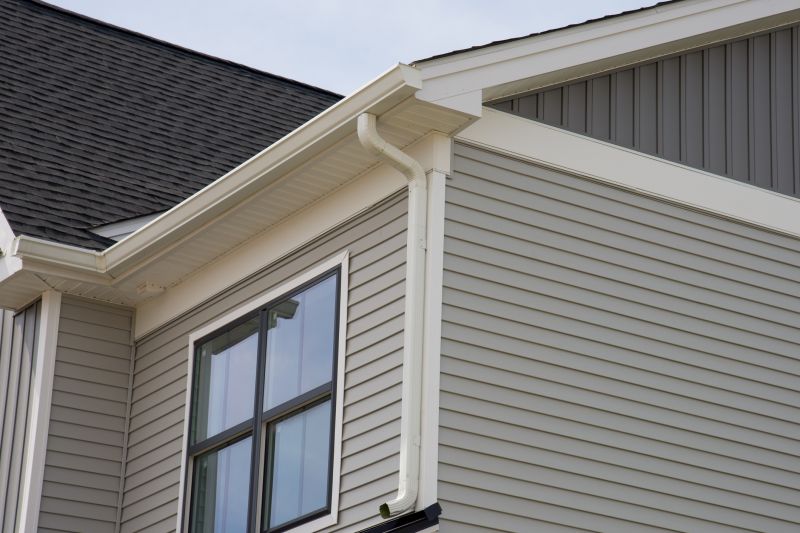

Understanding when to install new gutters versus replacing existing ones is a common consideration for property owners in the area. If gutters are showing signs of significant damage, such as sagging, cracking, or extensive rust, it may be time to consider a full replacement. Local contractors can assess the condition of existing gutters to determine if repairs are sufficient or if a new installation would provide better protection against water damage. Additionally, if gutters are outdated or incompatible with current roofing or landscaping, installing new gutters can enhance the home's functionality and curb appeal.
Property owners often look into new gutters installation services when upgrading their homes or addressing recurring issues like leaks or overflowing during heavy rains. If existing gutters are beyond repair or have become inefficient due to age or damage, replacing them can prevent further problems. Local service providers can help evaluate whether a full replacement is necessary or if repairs will suffice, ensuring that the home’s drainage system is effective and reliable. These professionals can also recommend modern gutter styles and materials that suit the specific needs of the property.
When should you consider installing new gutters instead of replacing existing ones? If your current gutters are outdated, severely damaged, or no longer functioning properly, new gutter installation by local contractors can provide a reliable solution without the need for extensive repairs.
What signs indicate that replacing existing gutters is necessary rather than installing new ones? Signs such as persistent leaks, sagging, rust, or extensive cracks suggest that replacing existing gutters might be more effective than installing new ones on the same system.
Can local service providers help determine whether to install new gutters or replace existing ones? Yes, experienced local contractors can assess the condition of existing gutters and advise whether a new installation or replacement is the best course of action.
Is it better to install new gutters or replace existing ones if the current system is only a few years old? If the gutters are relatively new and in good condition, repairs or minor upgrades could suffice, but if there are underlying issues, replacement might be recommended by local pros.
How does the condition of existing gutters influence the decision to install new gutters? The overall state of existing gutters-such as damage, corrosion, or improper installation-helps determine if a new installation is needed or if replacing the current system is more appropriate.
Assessing gutter condition - Evaluate existing gutters for signs of damage or wear to determine if replacement is necessary before installing new ones.
Considering home age and style - Use the age and design of the home to decide whether installing new gutters or replacing old ones best suits the property.
Identifying specific issues - Recognize problems like leaks or sagging that may require replacing existing gutters rather than installing new ones.
Consulting with local contractors - Seek advice from local service providers to understand whether installing new gutters or replacing existing ones is the most practical solution for the home.
If you are thinking about when to install new gutters vs. replace existing ones on your home for a property, this guide is meant to help you understand this topic, the typical project types, and how different options might fit your plans.
When you are ready, you can use the quote form on this page to share a few details about your project. From there, local pros can review the basics and follow up with options that match what you have in mind.